
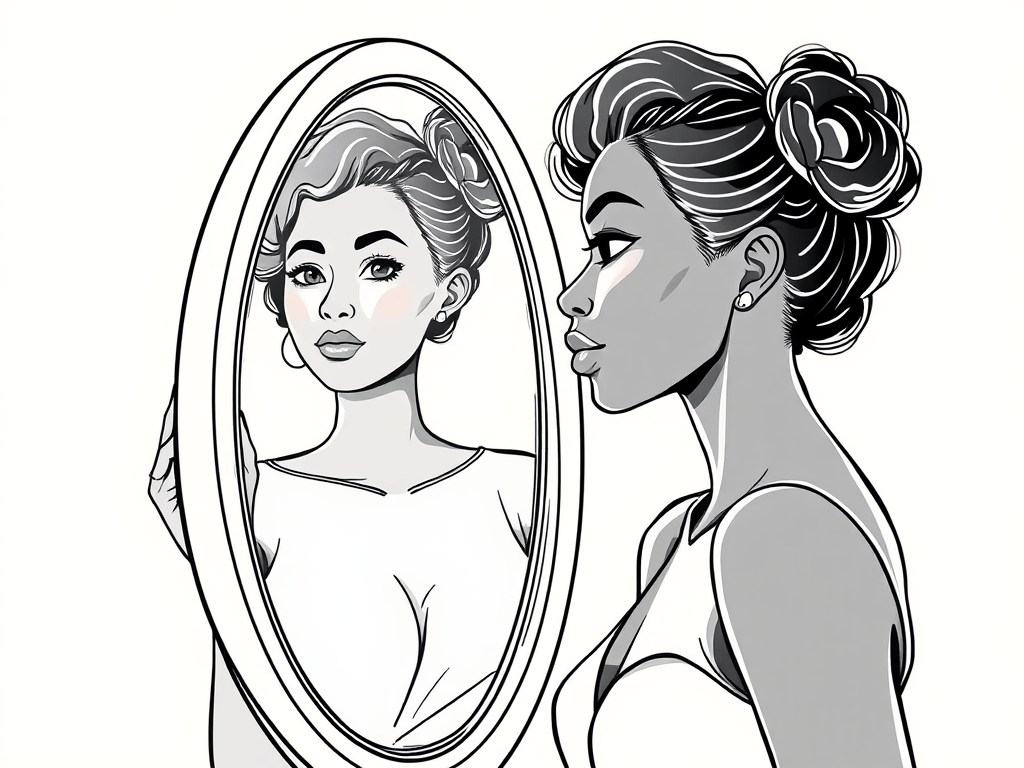
It’s official as of March 1. I have entered menopause. This is a significant transition in my life. It marks the end of my reproductive years. This change has brought about a whirlwind of emotions and physical change that vary each day. They remind me I am indeed undergoing a transformation. These include hot flashes, that rob me of sleep and cuddling with my husband, leaving me restless and irritable.
Research shows that linked to a greater risk for high blood pressure and other cardiovascular risk factors. The risk factors are lower in women who experience menopause after 50. Retrieved from, https://www.heart.org/en/news/2023/02/20/the-connection-between-menopause-and-cardiovascular-disease-risks?utm_source=chatgpt.com
Metabolic changes make me feel like I’m wearing an M&M costume. They cause me to reevaluate my wardrobe and self-image. I watch my body shift in ways I never anticipated. My anxiety attacks add another layer of complexity to my marital communication. I struggle to explain my self frustration – (to my husband ) in imperfect French. This makes me feel disconnected at times. The brain fog makes it difficult to hold a conversation. It also makes it hard to braid my hair, leaving me frustrated. It’s all part of the fireworks spectacular. My body releases the last of my estrogen reserves. I had thought this process would be more graceful. The combustion also increases the risk of heart disease. It reminds me of the urgent need to focus on my health more than ever.It’s all so overwhelming; I can understand why so many women lose themselves in the process. Navigating these changes, while taking care of family, managing a career, and sustaining a marriage, is a lot to handle.
There have been many life changes over the last few years. I moved abroad and navigated unscrupulous landlords. I made new friends and learned French. Increasing my physical activity, with morning walks, yoga and collagen supplements is a start to reclaiming my body.
Menopause Plan
Goal: Improve bone health, reduce stress, and maintain muscle mass.
- Strength Training (2–3 x per week): Body weight exercises, resistance bands, light weights and or push ups
- Cardio (3–5 x per week): Walking, or dancing (30 min/day).
- Flexibility & Balance (Daily): Yoga, Pilates, or simple stretching.
2. Stress Management & Mental Well-being
- Mindfulness & Meditation (10–15 min/day)
- Journal to track mood, sleep, and symptoms
3. Nutrition Plan
- Calcium & Vitamin D: Dairy, leafy greens, fortified foods
- Protein: Lean meats, beans, eggs, and tofu
- Healthy Fats: Avocados, nuts, and omega-3 s (salmon, flaxseeds)
- Hydration: Aim for 8+ glasses of water/day
- Limit: Caffeine, alcohol, and processed sugar
4. Sleep Routine
- Consistent bedtime/wake-up time
- No screens 1 hour before bed
- Cooling sheets & pajamas to manage night sweats
5. Symptom Management
- Herbal supplements (black cohosh, maca root – consult a doctor)



Leave a comment