
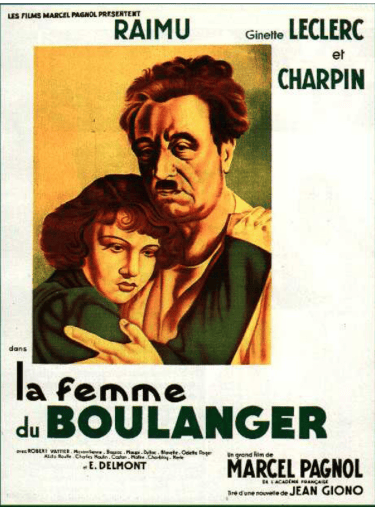
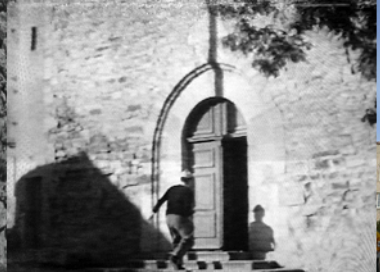
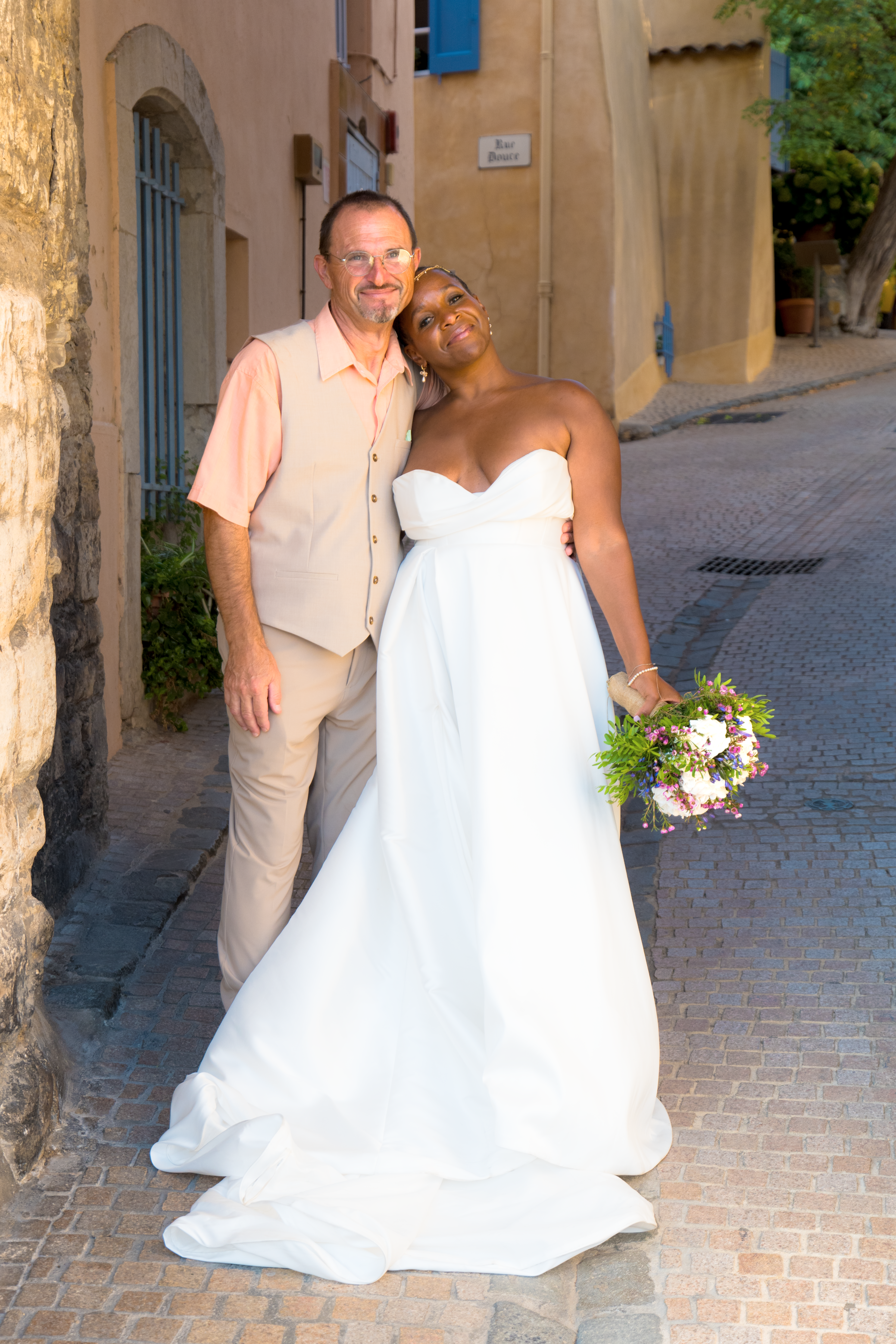
Last night, my husband and I settled in to watch La Femme du Boulanger, a French classic filmed in our neighboring village of Le Castellet. This medieval village holds a special place in our hearts and history—it’s where we celebrated our wedding dinner, where much of my husband’s paternal family has lived for generations, and where we still regularly dine at restaurants owned by his cousin and childhood friend.
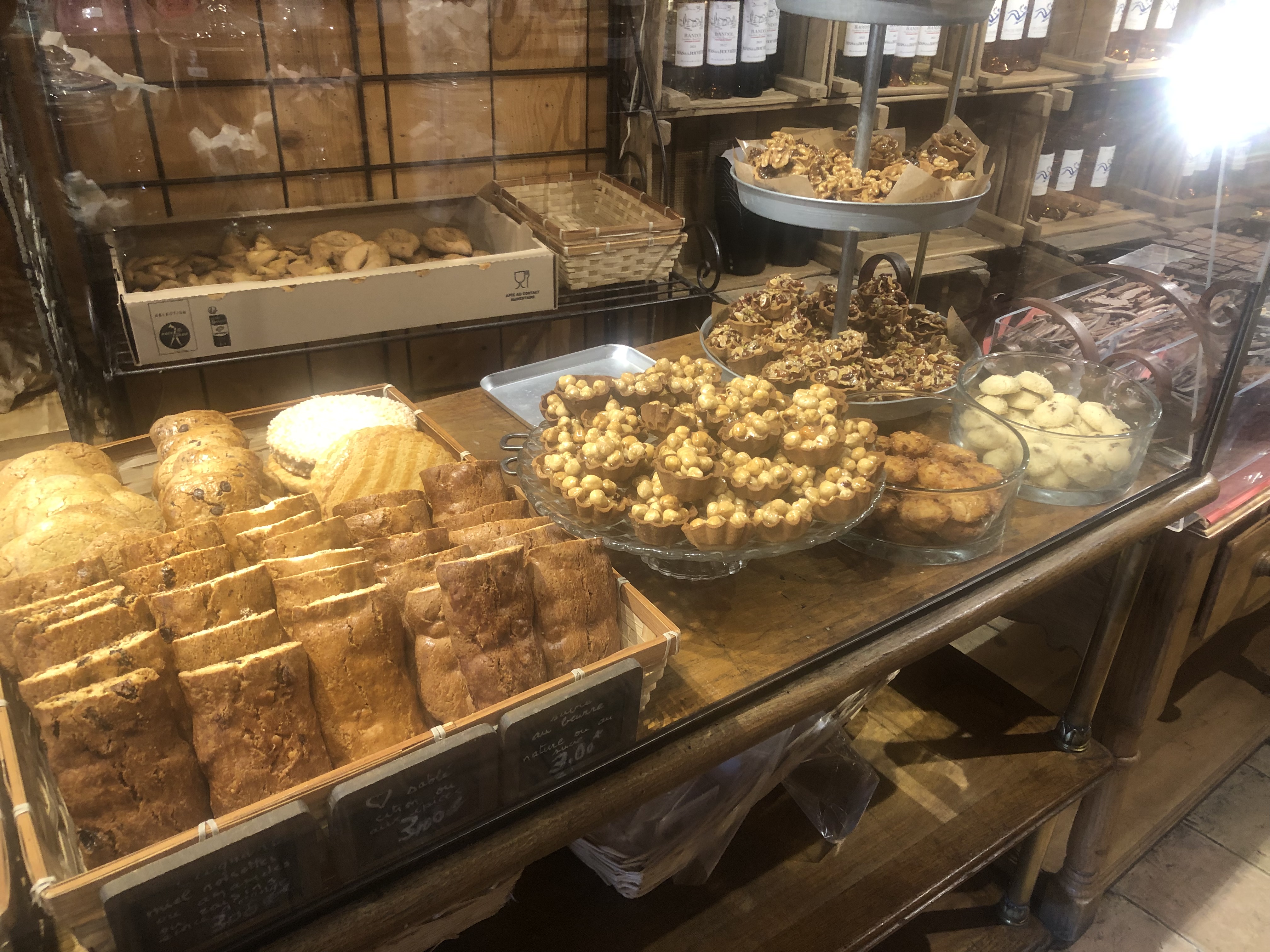
Le Castellet is rich with charm and surrounded by lush natural scenery. It’s even home to my husband’s cousin’s bakery, aptly named after this famous film. Watching the movie felt like walking through our own memories, each scene revealing landmarks that mark our personal history together.
The Story
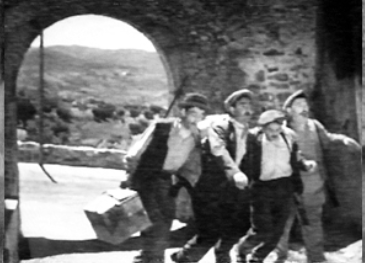
The film follows a baker preparing to open the village boulangerie when his young wife runs away with another man the night before his debut. Crippled by denial and despair, he stops baking entirely. The townspeople, suddenly without their daily bread, rally together to bring back his wife—not necessarily out of concern for the baker’s heart, but to restore order (and baguettes) to the village.
This prewar film overflows with the charm and comedy of a bygone era, filled with the literary tropes that defined cinema of its time: surveillance, gossip, and the ever-present influence of the church. The humor is gentle, the village characters lovingly drawn, each playing their part in this very human drama.
A Surprising Ending
I found the ending both surprising and indicative of its era. The town clergy locate the wayward wife and pray for her forgiveness. She returns under the cloak of night, and her husband lovingly takes her back—but not before asking her to acknowledge why she came home. It’s a moment that speaks volumes about the gender dynamics and moral codes of the 1930s, tender yet tinged with the power imbalances of the time.
Our Cultural Exchange
Watching this film was more than entertainment—it was another thread in the ongoing cultural exchange between my husband and me. We share our favorite cultural gems with one another, whether films, books, or traditions, as a way to understand each other’s worlds more deeply. Seeing the streets where we’ve walked, the squares where we’ve shared meals, immortalized in this classic French cinema, made the experience even more profound.
La Femme du Boulanger isn’t just a film about a baker and his wife. It’s about community, forgiveness, and the small dramas that define village life. And for us, it’s now woven into our own village story.


Leave a comment